Malta’s cost of living has risen considerably over the past five years. Rapid growth in financial services, iGaming, and technology brought an influx of international workers, which pushed up rents and intensified demand for housing in the most popular areas. Despite this, Malta remains noticeably cheaper than most Western European capitals — particularly London, Dublin, and Amsterdam.
This guide breaks down what residents and new arrivals can expect to pay in 2024, covering housing, utilities, food, transport, healthcare, and workspace. All figures are indicative. For current rent data, check maltapark.com or consult local letting agents.
Housing and Rent
Rent is the largest monthly expense for most residents. Prices vary significantly depending on area, property type, and proximity to commercial centres.
Indicative 2024 rent ranges:
- 1-bedroom apartment in Gzira or Msida: from approximately €900/month
- 1-bedroom apartment in Sliema: from approximately €1,100/month
- 2-bedroom apartment in St Julian’s: from approximately €1,400 to €2,000/month
- 1-bedroom in quieter areas (Birkirkara, Qormi, Paola): from approximately €650-800/month
Sliema, St Julian’s, and Valletta command the highest rents on the island. These areas are in highest demand among professionals working in commercial sectors. A short distance away — Gzira, Msida, Swieqi — comparable space often costs 15-25% less.
Utilities run approximately €70-100/month in cooler months. In summer, air conditioning is not optional in most apartments: bills can reach €150-200/month from June through September. Confirm with your landlord whether utilities are included before signing.
Workspace Costs
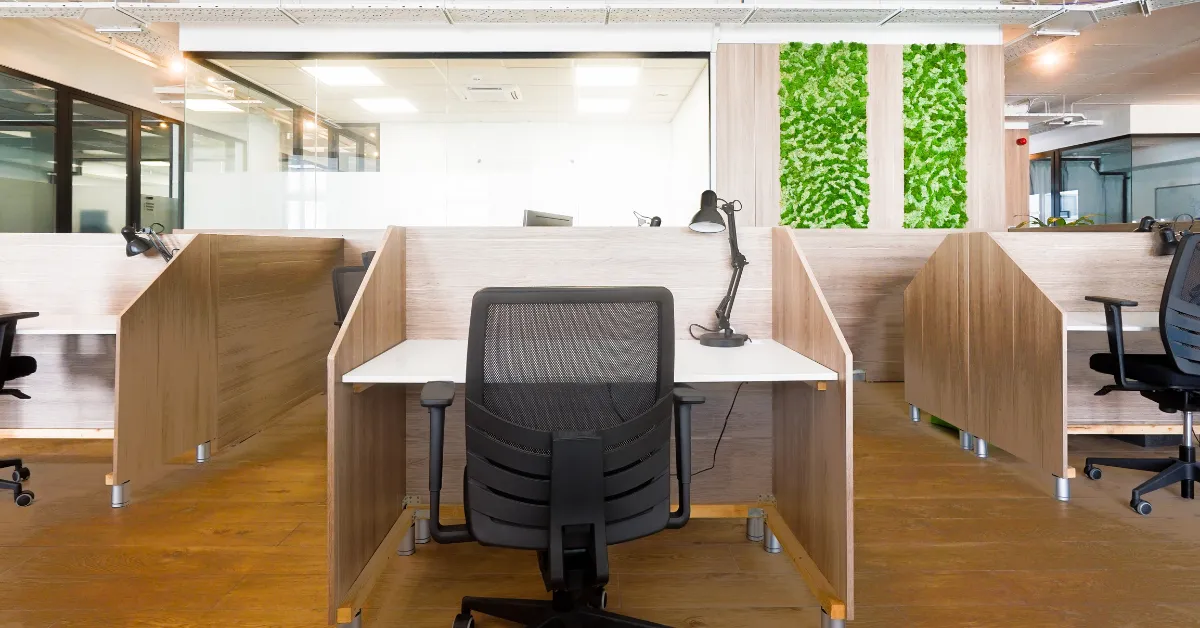
For remote workers and professionals without employer-provided office space, workspace is an additional monthly budget item. Renting commercial space on a direct lease is expensive and typically requires a long-term commitment.
At SOHO, hot desks start from €30/day, providing a professional workspace in Gzira or St Julian’s without the overhead of a commercial lease. For businesses setting up a Malta entity and needing a registered address, Business Presence plans start from €75/month and include a Maltese address and Certificate of Incumbency.
Healthcare
Malta is ranked in the top six EU countries for overall healthcare management. Public healthcare is free for:
- Persons holding an employment licence and paying social security contributions
- EU citizens exercising freedom of movement
- Citizens of countries with a reciprocal healthcare agreement with Malta
- Students enrolled at the University of Malta, MCAST, or ITS
- Persons in advisory or consultative capacity to the Government
Many residents carry private health insurance for faster access to specialists. Private health insurance in Malta costs approximately €150 to €400+ per year for an adult, depending on the provider and level of cover. Verify current prices with local providers before purchasing.
Education in Malta’s public schools is free for all children regardless of nationality. International and private schools are available at a premium: fees typically range from €5,000 to €15,000+ per year depending on the school and age group.
Food and Eating Out
Malta’s food costs are generally slightly below the EU average for local produce. Imported goods are broadly comparable to prices elsewhere in the EU.
Supermarket shopping for one person runs approximately €150-250/month. Buying Maltese seasonal produce — tomatoes, courgettes, local fish — keeps costs lower. Imported or branded items carry higher prices.
Eating out at local level is affordable; tourist-facing restaurants add up quickly:
- Coffee (espresso or flat white): approximately €1.80-2.50
- Pastizzi (traditional Maltese pastry): approximately €0.35-0.50
- Lunch at a local café: approximately €6-10 per person
- Lunch at a mid-range restaurant: approximately €10-15 per person
- Dinner at a mid-range restaurant: approximately €20-40 per head
- Dinner at a higher-end Valletta or St Julian’s restaurant: €40-70+ per head
Eating Maltese food — pastizzi, ftajjar, local fish at harbour restaurants — is consistently cheaper than tourist-facing menus. The price gap between a local lunch and a Valletta tourist restaurant can be 2-3x.
Transport
Transport costs depend on whether you drive. Malta has no rail network.
By bus: a single journey is approximately €2. A monthly Tallinja card costs approximately €26. For regular commuters, the bus network is the cheapest option by far.
By car: running a car adds significantly to monthly costs. Fuel prices track EU averages. Third-party insurance is compulsory. Parking in Sliema, Valletta, and St Julian’s requires paid meters or permit zones. A realistic estimate for car running costs (fuel, insurance, parking) is €150-300/month depending on usage.
Ride-hailing (Bolt, eCabs): occasional use adds €30-80/month. Electric scooters (Bolt, Bird) are a low-cost supplement for short trips in the Sliema-Gzira-St Julian’s area.
Malta vs Other Cities
The comparisons below are based on Numbeo cost-of-living indices (approximate; verify current data at numbeo.com):
- Cost of living in Valletta is approximately 40% cheaper than in Bern, Switzerland
- Cost of living in Valletta is approximately 22% cheaper than in Atlanta, Georgia
- Cost of living in Valletta is approximately 7% cheaper than in Nice, France
- Cost of living in Valletta is approximately 10% cheaper than in Birmingham, England
- Cost of living in Valletta is approximately 23% cheaper than in Stockholm, Sweden
- Cost of living in Valletta is approximately 35% cheaper than in Dublin, Ireland
Monthly Budget Overview
Indicative monthly budget for a single professional living in the Sliema/Gzira area (2024):
| Category | Approximate Monthly Cost |
|---|---|
| Rent (1-bed apartment, Gzira) | €900-1,100 |
| Utilities | €70-150 |
| Food (groceries + eating out) | €300-500 |
| Transport | €26-200 (bus vs car) |
| Healthcare (private insurance) | €15-35 |
| Workspace (hot desk, optional) | €30/day, pay per use |
| Entertainment / miscellaneous | €100-300 |
| Total (indicative) | €1,600-2,500 |
Frequently Asked Questions
Is Malta expensive to live in?
Malta is more expensive than it was five years ago, particularly for rent. But compared to most Western European capitals — London, Dublin, Amsterdam, Stockholm — it remains notably cheaper. The main cost pressure points are rent in central areas and imported goods.
What is the average rent in Malta?
As of 2024, a 1-bedroom apartment in Gzira or Msida typically starts from around €900/month. A 2-bedroom in St Julian’s typically starts from €1,400/month. More affordable options are available further from the commercial centre — Birkirkara, Paola, and Zejtun offer 1-bedroom apartments from around €650/month. Check maltapark.com for current listings.
Is healthcare free in Malta for expats?
Public healthcare in Malta is free for EU citizens exercising freedom of movement and for anyone holding an employment licence and paying social security contributions. Third-country nationals in employment and paying contributions are generally covered. For faster access to specialists, many expats carry private health insurance, which costs approximately €150-400+/year.
How does Malta compare to the UK for cost of living?
Based on Numbeo data, the overall cost of living in Malta is approximately 10-15% lower than in Birmingham and significantly lower than London. Rent is the biggest saving. Food and transport are broadly comparable. Healthcare is a significant potential saving for those used to paying UK private rates.