Malta punches above its size. The smallest state in the European Union — 316 square kilometres, a population of approximately 530,000 (2024 estimate, NSO Malta) — has built a reputation as a destination for professionals, entrepreneurs, families, and retirees from across Europe and beyond. Around 20% of Malta’s residents are foreign nationals, a figure that has grown steadily over the past decade as the island’s financial services, iGaming, and technology sectors have attracted international talent.
The appeal is practical as well as atmospheric. Malta is an EU member state with English as an official language. Its tax system is structured to be attractive to both individuals and companies. The cost of living is lower than most Western European capitals, though it has risen in recent years. The climate is Mediterranean: mild winters and long, dry summers.
Why People Move to Malta
The reasons vary by life stage and circumstance. For EU citizens, freedom of movement makes relocation administratively simple. For third-country nationals, Malta’s range of residency and investment programmes provides a structured path. For businesses, Malta’s EU membership and imputation tax system make it an efficient corporate base.
Common reasons people relocate to Malta:
- EU residence rights within a small, manageable country
- Competitive personal and corporate tax rates
- English as an official language
- Warm climate with over 300 days of sunshine per year
- Growing sectors: financial services, iGaming, technology, maritime
- Access to EU markets, banking, and regulatory frameworks
- A well-established international community
Malta is not cheap by Mediterranean standards. But compared to London, Dublin, or Amsterdam, the cost of living remains notably lower.
Residency and Work Permits
Your country of origin determines the administrative process for moving to Malta.
EU / EEA / Swiss Citizens
EU, EEA, and Swiss citizens have full freedom of movement in Malta. No visa or work permit is required before arriving. After three months of residence, EU citizens should register at Identità and obtain an e-Residence Card. EU citizens working in Malta pay tax on a progressive scale from 0% to 35%, depending on income and marital status.
Third-Country Nationals (Non-EU)
Third-country nationals (TCNs) can enter Malta as tourists for up to 90 days under Schengen rules. To stay longer or to work, a specific permit or programme is required.
Malta Permanent Residency Programme (MPRP): Launched in 2021, the MPRP allows non-EU nationals to obtain permanent residency through a combination of property rental or purchase and a government contribution. It does not require physical presence in Malta to maintain. For current requirements, refer to identita.gov.mt.
Malta Digital Nomad Visa (Nomad Residence Permit): Launched in 2021, this permit allows remote workers employed by or contracted to companies outside Malta to live and work in Malta legally. Applicants must demonstrate remote work, meet a minimum income threshold, and hold valid health insurance. Permits are issued for one year and are renewable. Details at nomad.gov.mt.
Employment and Skilled Worker Permits: TCNs seeking local employment need a work permit through Malta’s single permit process. The employer typically initiates this. A valid employment contract and property rental or ownership in Malta are required.
Where to Live in Malta
Malta consists of multiple towns and parishes with overlapping borders. The main areas of interest for new arrivals fall into a few clear clusters.
Sliema and St Julian’s: The most international and commercial area of the island. Sliema is primarily residential with a waterfront promenade; St Julian’s has more nightlife, restaurants, and offices. Rent is among the highest on the island. A 2-bedroom apartment in St Julian’s typically starts from €1,400/month (2024 market). Popular with young professionals and those prioritising convenience.
Gzira: Directly adjacent to Sliema, Gzira offers slightly lower rents with comparable access. A 1-bedroom apartment typically starts from €900/month. Increasingly popular with professionals who want central access without Sliema prices.
Valletta: The capital and UNESCO World Heritage city. Limited residential stock and constrained availability. Popular with those who value character over space.
Msida and Birkirkara: More affordable residential areas, popular with students and budget-conscious relocators. Good bus connections.
Swieqi and St Andrew’s: Quieter residential areas above St Julian’s. Popular with families, with more space per euro and easy access to the commercial centres by car.
St Paul’s Bay and the North: More relaxed pace, lower rents, popular with retirees and families seeking quiet. Longer commute to Valletta and the business districts.
Cost of Living Overview
Malta is more affordable than most Western European capitals, though costs have risen in recent years. Key figures for 2024 (indicative):
- Rent: 1-bedroom in Gzira from ~€900/month; 2-bedroom in St Julian’s from ~€1,400/month
- Utilities: approximately €70-100/month (higher in summer)
- Food: slightly cheaper than most EU countries for local produce
- Healthcare: public healthcare is free for those paying social security contributions; private health insurance from roughly €150-400/year
- Transport: bus monthly pass approximately €26; car running costs add significantly
Malta ranks in the lower half of EU countries for cost of living. Dublin and Amsterdam remain considerably more expensive.
Working in Malta
Employment rights for EU citizens are the same as for Maltese nationals — no restrictions apply. For third-country nationals, a work permit is required for local employment, typically initiated by the employer through the Jobsplus agency.
Malta’s economy is concentrated in financial services, iGaming, technology, tourism, and maritime. English is the working language in all international-facing industries. Remote workers from outside the EU can use the Nomad Residence Permit to live in Malta while working for overseas employers or clients.
Social security contributions apply to employed and self-employed workers. Rates depend on income and employment status. Self-employed persons should verify current rates at ssp.gov.mt.
Setting up a Business in Malta
Malta is a common choice for business incorporation within the EU. The standard entity is a Private Limited Liability Company. Incorporation typically takes around 14 working days when documentation is in order. Requirements include a registered address in Malta, a minimum share capital of €1,165, at least one director, and a company secretary.
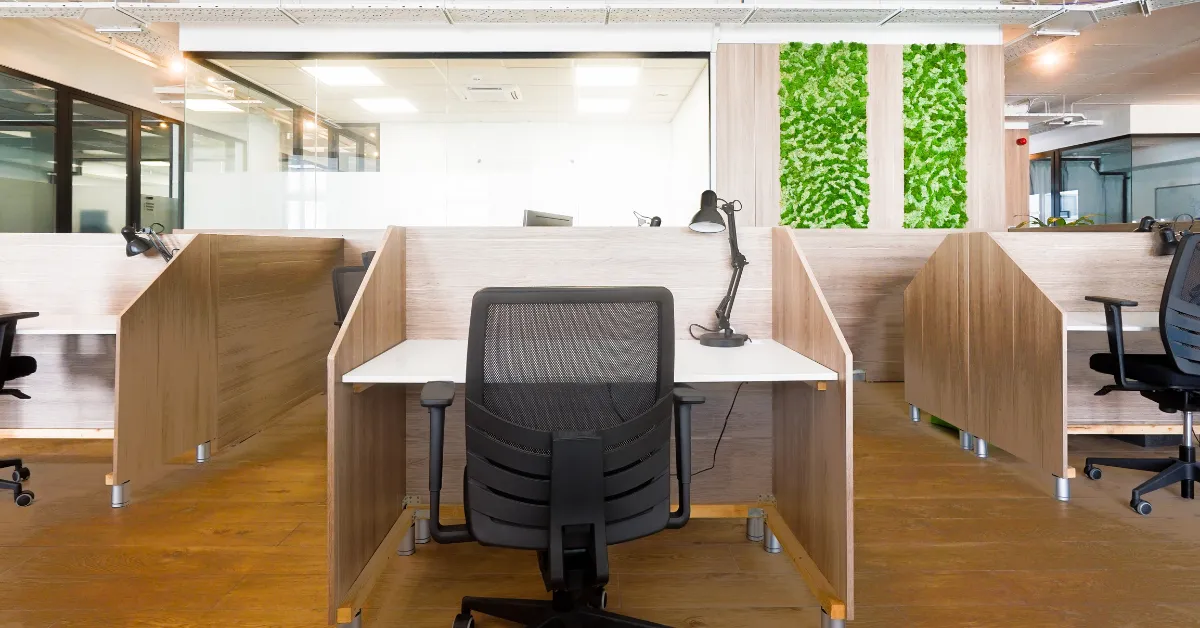
A registered address is required from the point of incorporation. SOHO’s Business Presence plans provide a Maltese address, Certificate of Incumbency, and mail handling, starting at €75/month. Teams that need physical workspace from day one can use a private office from €825/month.
Frequently Asked Questions
Can I move to Malta as a non-EU citizen?
Yes, through several programmes. The Malta Permanent Residency Programme (MPRP) provides a path to long-term residency through property and government contribution requirements. The Nomad Residence Permit is available for remote workers. Third-country nationals seeking local employment need a work permit, typically initiated by the employer. For current requirements, refer to identita.gov.mt.
Is Malta a good place for digital nomads?
Malta has a dedicated Nomad Residence Permit for remote workers, launched in 2021. The country offers reliable internet infrastructure, a warm climate, English as an official language, and an active international community. The main drawbacks are rising rental costs in central areas and summer heat. For those comfortable in a Mediterranean environment, Malta compares favourably to most European alternatives.
What are the best areas to live in Malta?
That depends on priorities. For proximity to offices, restaurants, and nightlife: Sliema, St Julian’s, Gzira. For a quieter family environment: Swieqi, St Andrew’s, Naxxar. For budget: Msida, Birkirkara. For character: Valletta, Birgu. Most professionals in international sectors choose the Sliema-Gzira-St Julian’s corridor for its accessibility.
Do I need to speak Maltese to live in Malta?
No. English is an official language of Malta and is used in all professional, commercial, and most social settings. Many businesses operate entirely in English. Knowledge of Maltese is useful for integrating into local communities and is required for some public sector roles, but it is not necessary for day-to-day life as an expat or foreign national.