The way companies use office space has shifted. After years of remote work, many businesses are not going back to a traditional commercial lease. They are choosing coworking instead, and not just the freelancers and start-ups who adopted it first. Established companies, distributed teams, and international businesses entering Malta are now using coworking as their primary office model.
Coworking is no longer a workaround. It is a deliberate operational choice — one that cuts overhead, improves access to amenities, and solves the problem of building a team culture when your people are spread across locations or timezones.
It is not just for start-ups
There is a persistent misconception that coworking spaces are filled with fresh-faced founders on laptops. The reality in 2025 is more varied. A typical coworking building hosts freelancers and solo operators, yes, but also remote employees working for companies headquartered abroad, regulated businesses that need a registered Malta address and meeting rooms on demand, and teams of five to fifteen people who want a private office without a ten-year lease commitment.
The shift post-2020 was significant. Many companies that went fully remote found that their teams wanted structure back without the overhead of a traditional office. Coworking spaces answered both needs at once: a place to work, without the landlord, the fit-out, the utilities contract, and the five-year break clause.
For international companies establishing a Malta presence, the equation is even clearer. A serviced office in a coworking building means a professional address, a functioning workspace, and access to meeting rooms from day one, with flexible terms of 1, 3, 6 or 12 months and nothing to build.
The social and community layer
Remote workers and freelancers already know this: working from home full-time is productive until it is not. The social isolation that comes with constant home working is a genuine challenge, and structured environments solve it without forcing anyone into a commute they resent.
When members feel more connected to a space and the people in it, there is more effort made to keep that space functional and the community alive. Coworking creates conditions for interaction without the competitive pressure that exists in most professional environments. The person at the next desk might become a collaborator, a client, or simply someone who changes how you think about a problem.
The diversity of a coworking community is one of its underrated qualities. Perspectives from outside your own industry, people who have solved problems you have not encountered yet, and a general atmosphere of building something — all of this is part of the value that does not appear on a pricing page.
What SOHO Malta looks like
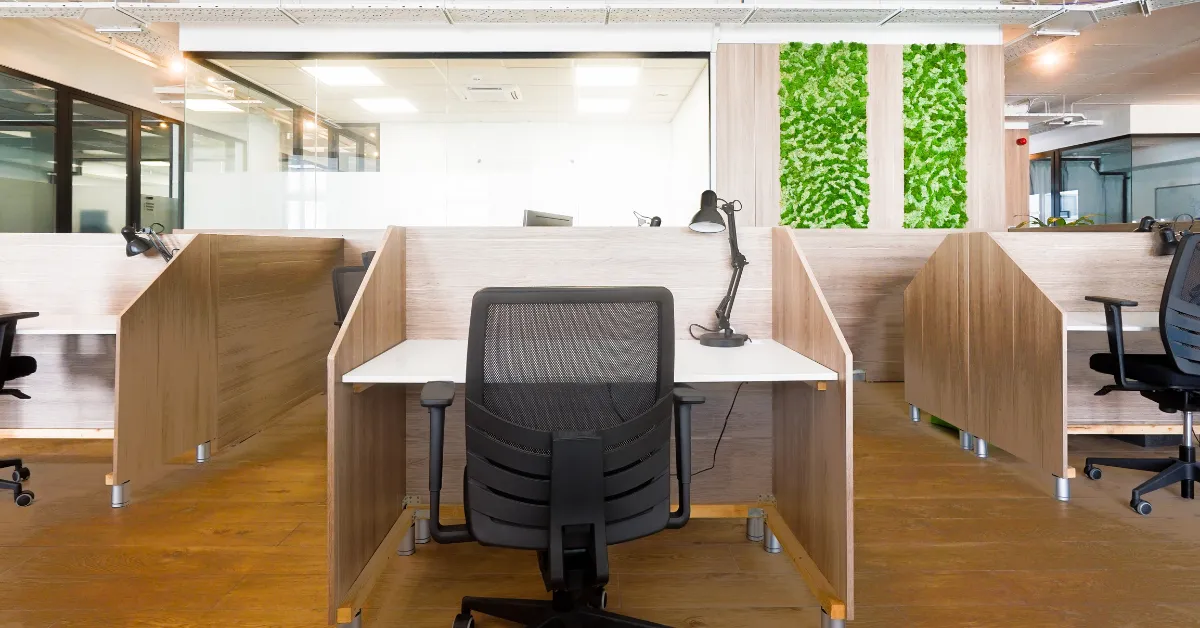
At SOHO, the spaces are designed around openness, creativity, and comfort. Full-height windows run the length of the buildings. Lounge areas and breakout zones break up the floor plan. Desks are made from oriented strand board, and bold, full-leafed plants are positioned throughout each location to promote well-being and reduce the clinical feel that some offices carry.
You will also find some of our members’ furry friends peeking their noses out of office doors, creating an environment of low stress for the community to enjoy.
SOHO operates across three locations in Malta: The Strand in Gzira (the flagship, located in central Malta near international embassies and the iGaming cluster), St. Julian’s (in the heart of Paceville, Malta’s busiest business district), and Savoy Gardens in Gzira (a modern building in one of Malta’s fastest-growing business areas). Each location offers coworking, private offices, and meeting rooms under one roof.
Coworking vs. a traditional office lease: what the numbers look like
For a small team taking on a commercial lease in Malta, the upfront costs alone are significant. Expect a deposit of two to three months’ rent, fit-out costs for furniture and IT infrastructure, utility setup, and the administrative overhead of managing a property. Prime commercial space in Malta runs from roughly €25 to €50 per square metre per month, before any of those extras.
Coworking removes most of these costs entirely.
| Item | Traditional lease | Coworking |
|---|---|---|
| Deposit | 2-3 months rent | None |
| Furniture and fit-out | €5,000-€20,000+ | Included |
| Utilities | Separate contract, variable | Included |
| Internet | Separate contract | Included |
| Meeting rooms | Not included | Included (hours vary by plan) |
| Gym / wellness | Not included | Included with most memberships |
| Minimum term | 1-5 years typical | Month-to-month available |
| Reception services | Additional cost or DIY | Included |
The monthly cost of a coworking membership looks higher per desk than a raw square metre price. But that comparison ignores everything that surrounds the desk. When fit-out, utilities, internet, furniture, and amenities are factored in, coworking is typically cheaper for teams under fifteen people, and significantly less risky given the flexible contract terms.
What to look for when choosing a coworking space
Not all coworking spaces are the same. A cheap monthly rate on a cramped, poorly connected floor is not a good deal. Before signing anything, consider the following:
- Location and access: Is the space easy to reach for your team and your clients? Central Malta locations near major business districts matter for client-facing businesses.
- Internet reliability: Ask specifically about upload and download speeds, and whether the connection is shared or dedicated. This matters far more than desk size.
- Meeting room availability: How many meeting rooms are there? Can members book them easily? What is the cost per hour for non-member guests?
- Access hours: 24/7 access versus reception hours makes a significant difference for teams that work across timezones.
- Community culture: Visit the space. Walk through it at midday. Talk to current members. The community is part of what you are paying for.
- Contract flexibility: Month-to-month contracts give you options. Avoid any space that asks for more than one month upfront without good reason.
- Amenities included: Gym access, catering, a kitchen, printing, reception services — these reduce the admin burden on your business significantly.
At SOHO, the Dedicated Desk option (from €350/month) includes 24/7 access, a fixed desk, unlimited Skype room access, and six complimentary meeting room hours per month, along with gym membership. The Hot Desk (from €30/day) suits those who need a professional workspace without a fixed seat, with no long-term commitment required.
For teams that want both the community environment and their own private space, the Private Office starts from €825/month and includes all the same amenities, with a lockable door and a space your team can call its own.
Who coworking works best for
The honest answer is: almost any professional or small team in a situation where a traditional commercial lease is either too expensive, too rigid, or too much overhead to manage.
Specifically, coworking tends to work well for:
- Freelancers and solo operators who want a professional environment and structured working hours without the cost of a private office
- Remote employees whose employer does not have a Malta office, who need somewhere to work that is not home
- Small teams of 2-10 people who want a proper office environment without a fit-out project and a multi-year lease
- International companies entering Malta who need a functioning workspace and a real address before committing to a permanent setup
- Companies testing a Malta expansion who want to run a small team locally before deciding on a longer-term office solution
The coworking model does not suit everyone. If you have a team of thirty people with specific IT security requirements and need full control over your infrastructure, a standalone commercial lease makes more sense. But for everyone below that threshold, coworking is worth a serious look.
Frequently asked questions
Is coworking only for freelancers and start-ups?
No. While coworking was adopted early by freelancers and start-ups, it is now used by distributed teams, remote employees, regulated businesses, and international companies. Anyone who needs a professional workspace without the overhead of a traditional office is a potential coworking member.
How much does a coworking space cost in Malta?
At SOHO, a Hot Desk starts at €30/day. A Dedicated Desk starts at €350/month and includes meeting room hours and gym membership. Private Offices for teams start at €825/month. All memberships are available on flexible terms.
What is the difference between a hot desk and a dedicated desk?
A hot desk means you take any available seat when you arrive. A dedicated desk is yours specifically: you can leave your monitor, personalise your space, and sit at the same spot every day. Dedicated desks also include additional benefits such as meeting room hours, 24/7 building access, and gym membership.
Can a company with a team use coworking?
Yes. SOHO’s Private Office option is designed specifically for small teams who want a closed, private workspace within the coworking building. Teams get their own lockable space, access to all shared amenities, and the community environment of the broader coworking floor, without giving up their own identity or operational independence.