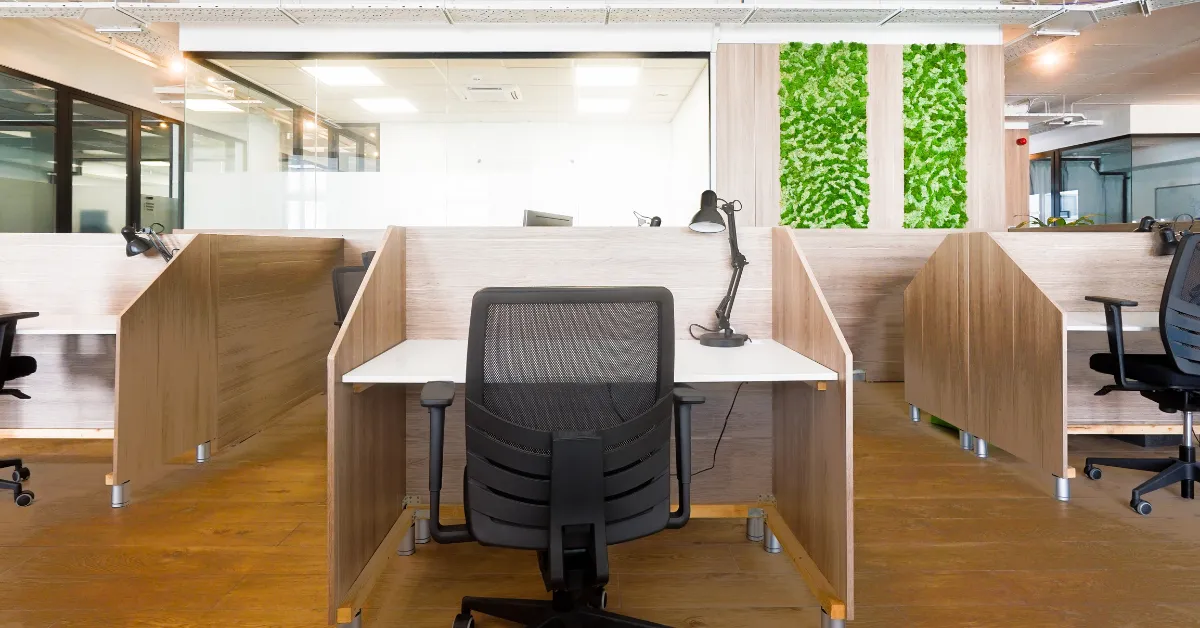
Hot desking is not a startup novelty anymore. It has become the default arrangement for millions of people who split their time between home and office — and for businesses that need professional workspace without the commitment of a long-term lease.
Whether you are a freelancer looking for a change of scene, a remote team that comes together twice a week, or a business testing the Malta market before committing to permanent premises, hot desking offers a practical and cost-efficient answer.
What is Hot Desking?
Hot desking is a workspace arrangement where desks are not permanently assigned to specific individuals. You arrive, choose an available desk, and work. Also referred to as “hoteling” in some corporate environments, it is the opposite of a fixed, dedicated workspace.
The idea may have roots in naval practice. Sailors finishing a shift would climb into the still-warm bunks of their replacements — a practice known as “hot racking”. The principle carried over to office design: rather than having a desk sit empty while its assigned occupant is away, the space stays in use throughout the day.
Hot desking has been part of office culture since the 1990s, but it has grown considerably since 2020.
Hot Desking and the Hybrid Workplace
Before 2020, most people understood hot desking as something freelancers and startups did. Established companies had fixed offices with assigned desks.
That changed quickly. As remote work became the norm and then the expectation for many roles, businesses had to reconsider what they actually needed from office space. If 40% of your team is in the office on any given day, maintaining a full complement of fixed desks is an expensive exercise in empty furniture.
A hybrid team of 20 people coming in on rotating days needs perhaps 10 desks, not 20. The operational costs drop, the space feels less empty, and the people who do come in have access to everything a full office provides.
For individuals, the case is different but equally practical. Many people find that working from home full-time blurs the line between personal life and professional focus. Coming into a coworking space two or three days a week restores that separation without the cost of a permanent office.
Five Benefits of Hot Desking
Productivity
A consistent home environment can become stifling over time. The absence of a clear boundary between where you live and where you work affects how you focus. Getting up, commuting to a workspace, and being around other people working on their own projects resets your professional mindset in a way that a second bedroom cannot.
Hot desking also gives you autonomy over your environment. If you need quiet, you find a quiet corner. If you work better with background noise and energy, you sit in the main space. You adapt your workspace to what you need on a given day.
Flexibility
Traditional office leases in Malta typically require a minimum two-year commitment. You sign before you know how fast you will grow, how many people you will hire, or whether the market responds the way you expect.
Hot desking removes that pressure. You pay for what you use. If your team grows, you book more desks. If a project wraps up and three people are no longer needed, you do not continue paying for their empty seats. There are no fit-out costs, no furniture purchases, and no utility setup — the space is ready when you arrive.
For businesses evaluating Malta as a base for EU or MENA expansion, this is particularly relevant. You can establish a presence, test the market, and scale up to permanent office space once you have the data to justify it.
Networking
Shared workspaces put you in daily contact with people from industries you would not otherwise encounter. A conversation over coffee with someone in a different sector can lead to a referral, a collaboration, a new client, or simply a useful introduction.
Members in a coworking space have a shared investment in being there. They are professionals, working on things they care about, open to interaction in a way that strangers in a coffee shop are not. At SOHO Malta, the community programme extends this further: regular networking events, lunches, yoga classes, SOHO TALKS, and social gatherings bring members together throughout the year.
Cost Savings
The cost of a traditional office in Malta covers rent, utilities, internet, cleaning, building maintenance, insurance, furniture, and often a fit-out contribution. For a small or growing business, these costs accumulate before you have served your first client.
Hot desking consolidates all of that into a single monthly or daily figure. There is nothing to set up, nothing to manage, and nothing to dismantle when your needs change.
Community
Working alone can be isolating — whether from home or in a private office. Coworking spaces are designed around the premise that people do their best work in an environment with structure, energy, and other people present.
The sense of community in a well-run coworking space is not manufactured. It emerges from the fact that everyone there has chosen to be there, is working towards something, and benefits from being around others doing the same.
Hot Desk vs Dedicated Desk: Which is Right for You?
If you are considering coworking, the first practical question is often whether a hot desk or a dedicated desk better matches how you work.
Hot Desk suits you if: you work from the office 1–3 days per week, you do not need to leave equipment at the desk overnight, you value maximum flexibility, or you are testing a new market or working on a short-term project.
Dedicated Desk suits you if: you work from the office most days, you want a fixed setup with your own monitor and personal items, you need a consistent desk address within the space, or you want 24/7 access with personal storage.
At SOHO Malta, a Hot Desk membership starts from €30/day, with access to all three Malta locations. If you find yourself coming in most days and want a consistent setup, a Dedicated Desk starts from €350/month and gives you a fixed spot, storage, and the same community and gym access. The transition from hot to dedicated is a natural progression for many members: start with the flexibility, and upgrade when your routine calls for something more permanent.
Who is Hot Desking Right For?
Hot desking works for a wider range of people than most assume:
- Freelancers and self-employed professionals who want a professional environment without a full-time office cost
- Remote employees who come into a shared space on their office days
- Startups building their initial team and not yet ready to commit to a lease
- SMEs evaluating Malta as a base for EU or North Africa / Middle East operations
- International businesses sending team members to Malta on project-based rotations
- Professionals between offices who need a productive temporary base
The common thread: you need professional workspace, but you do not need it in the same configuration every day.
Hot Desking at SOHO Malta
SOHO Malta operates three coworking locations across Malta’s main business districts: St. Julian’s, Savoy Gardens, Gzira, and The Strand, Gzira. A Hot Desk membership gives you access to all three.
Included with your membership:
- Flexible desk space and access to all locations
- On-site gym, yoga classes, and shower facilities
- SOHO Community events: lunches, networking evenings, SOHO TALKS, and social activities
- Fully equipped kitchen and in-house restaurant and café services
- Games room, BBQ area, outdoor terraces, and lounge areas
- High-spec boardrooms, soundproofed Skype rooms, and meeting rooms (bookable by the hour)
- Reception services
- Business-grade IT infrastructure and on-site IT support
Frequently Asked Questions
What is the difference between hot desking and hoteling?
Both terms describe the same concept: flexible, unassigned desk usage rather than permanent allocation. “Hoteling” is more commonly used in larger corporate environments where desks must be pre-booked via a system. In coworking contexts, “hot desking” is the standard term.
Is hot desking right for freelancers?
Yes. Freelancers get a professional address, reliable internet, a distraction-free environment, and access to meeting rooms for client calls — without the cost of a private office. Many freelancers use a hot desk 2–3 days per week alongside working from home.
What is included in a hot desk at SOHO Malta?
Access to all three SOHO locations, gym and yoga access, community events, kitchen, lounge and social areas, IT support, and bookable meeting rooms. Pricing starts from €30/day.
When should I upgrade from a hot desk to a dedicated desk?
When you find yourself coming in most working days, when you want to leave your equipment set up overnight, or when the convenience of a fixed spot outweighs the cost difference. At SOHO, dedicated desks start from €350/month — a reasonable step up from the hot desk rate for the stability it provides.